Spray foam insulation has raised the bar for residential energy efficiency, offering homeowners a modern approach to insulation and overall indoor comfort. By creating an airtight barrier, spray foam keeps conditioned air inside and environmental pollutants outside. Homeowners looking for the best home insulation solutions often turn to spray foam for its long-term savings and improved living conditions.
With the right insulation, energy bills can significantly drop, and living spaces become more pleasant throughout the year. Spray foam’s unique formulation expands after application, effectively sealing gaps in walls, floors, and ceilings. This modern insulation technology not only boosts efficiency but also supports healthier indoor environments by defending against outside elements and moisture.
Insulation forms the backbone of any energy-conscious home. As demands for energy efficiency increase, spray foam insulation stands out for its ability to completely seal off unwanted air infiltration. This not only optimizes the performance of heating and cooling systems but also strengthens the home’s overall structure by minimizing moisture intrusion and heat loss.
Beyond its primary purpose, updating insulation with a focus on both the walls and other critical zones, such as the attic, is essential. For homeowners considering specialized insulation for different areas of the home, options such as attic insulation should also be explored as part of a whole-house efficiency upgrade.
As homes become tighter and more energy efficient, the importance of high-quality, properly installed insulation continues to grow. According to the U.S. Department of Energy, inadequate insulation can account for up to 30 percent of a home’s heating and cooling losses, highlighting the importance of solutions like spray foam for basic energy management.
What Is Spray Foam Insulation?
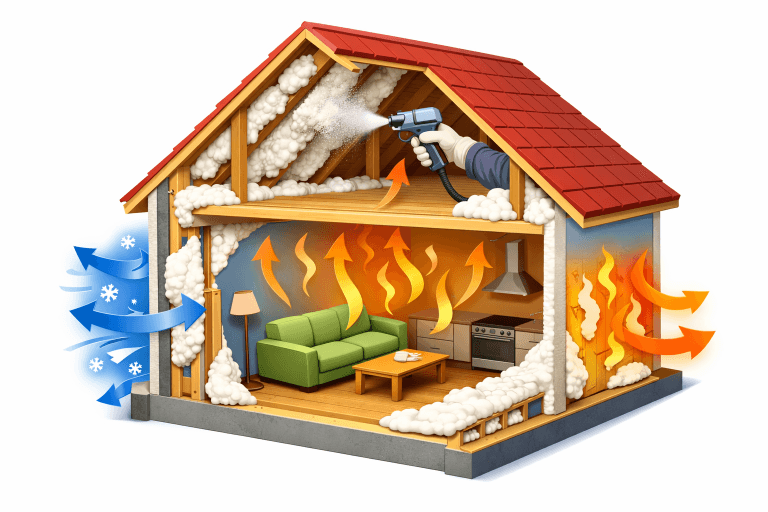
Spray foam insulation is a versatile material created from two liquids that combine and expand when applied. Once sprayed, it quickly fills cracks, crevices, and cavities, forming a strong, airtight seal that traditional fiber-based insulation often cannot match. This unique ability to expand provides superior coverage and thermal resistance in hard-to-reach areas.
There are vital differences between spray foam and older materials like fiberglass or cellulose. While traditional insulation mainly reduces heat transfer, spray foam also acts as an effective air and moisture barrier, making it a two-in-one solution for most areas of the home.
Benefits of Spray Foam Insulation
- Enhanced Energy Efficiency: Sealing leaks and preventing drafts helps lower heating and cooling costs, offering significant utility savings throughout the building’s lifespan.
- Improved Indoor Air Quality: By sealing gaps, spray foam reduces the likelihood of dust, pollen, and other pollutants entering the home, resulting in cleaner, healthier indoor air.
- Moisture Control: Spray foam acts as a barrier against external moisture, limiting the risk of mold and mildew development that can threaten health and the structural integrity of the home.
- Noise Reduction: Its dense composition helps dampen external and internal noise, providing a quieter, more peaceful home atmosphere.
Types of Spray Foam Insulation
There are two major categories of spray foam insulation, each best suited for particular uses and locations within a home.
- Open-Cell Foam: This variant is lighter, softer, and more flexible, making it ideal for interior wall cavities and ceilings. Open-cell foam is highly effective at sound absorption as well.
- Closed-Cell Foam: Denser and firmer, closed-cell spray foam provides a higher R-value, greater structural support, and increased resistance to water vapor. This makes it perfect for exterior walls, basements, and foundations.
Choosing the correct type is crucial. Closed-cell foam, though more expensive per square foot, can enhance wall structural strength and offer superior moisture resistance. Open-cell can be advantageous in places where breathability or sound dampening is desired. Homeowners are encouraged to consult with a professional to determine the best match for their needs.
Installation Process
Given its chemical properties and the specialized equipment required, spray foam insulation is best installed by trained professionals. The process begins with a full assessment and preparation of the area, which may include sealing off zones or covering nearby belongings.
- Preparation of the work site, ensuring all electrical wiring and plumbing are protected and exposed surfaces are ready for application.
- Mixing of spray foam components in the spray rig, followed by application to targeted surfaces. The foam rapidly expands to fill gaps entirely.
- Allowing time for the foam to fully cure. Once hardened, excess foam may be trimmed, and the area is inspected for completeness and safety.
Cost Considerations
Upfront, spray foam insulation typically costs more than fiberglass or cellulose. The total price depends on the foam type, home size, the accessibility of the sites to be insulated, and labor costs. Despite the greater initial investment, homeowners often recoup costs through lasting reductions in heating and cooling bills.
For many, the long-term financial advantages and comfort improvements outweigh the upfront price. Local rebates and incentives for energy efficiency upgrades may also offset costs, making this upgrade more accessible to a wider range of homeowners.
Environmental Impact
There is growing emphasis on choosing insulation materials that not only improve efficiency but also limit ecological impact. Spray foam helps reduce overall household energy use, thereby lowering greenhouse gas emissions. Manufacturers now use low Global Warming Potential (GWP) blowing agents to further minimize the material’s environmental footprint.
It is important for consumers to research and select products that carry independent certifications for low emissions and sustainability, such as GREENGUARD or those listed by the Environmental Protection Agency.
Conclusion
Spray foam insulation emerges as a robust answer for homeowners seeking significant improvements in energy efficiency, comfort, and overall building health. By understanding the unique benefits of spray foam insulation and working with trustworthy professionals, anyone can make informed decisions about creating a more sustainable, comfortable living space.