Getting into a car accident is never easy, especially when you discover the other driver doesn’t have insurance. This scenario can quickly turn an already stressful event into an even more complicated ordeal. With Milwaukee’s uninsured motorist rate hovering around 15.1%, drivers need to be prepared and know what steps to take to protect themselves and their interests. Whether you’re seeking medical costs or vehicle repairs, understanding your rights and available resources becomes crucial. Working with experienced Milwaukee car accident attorneys can make all the difference, ensuring you’re not left to figure everything out on your own.
In such unfortunate situations, knowing how to proceed can mean the difference between receiving full compensation and facing financial hardship. Your legal options can drastically change depending on whether you or the other driver is insured, and even small oversights in the aftermath of an accident can impact your ability to recover damages. While Wisconsin law requires all drivers to carry insurance—specifically, uninsured motorist (UM) coverage—a significant number of drivers remain uninsured, making it crucial to know how to protect your own interests. If you find yourself in this situation, understanding your insurance policy and what protections it provides is the first line of defense.
Immediate Steps After the Accident
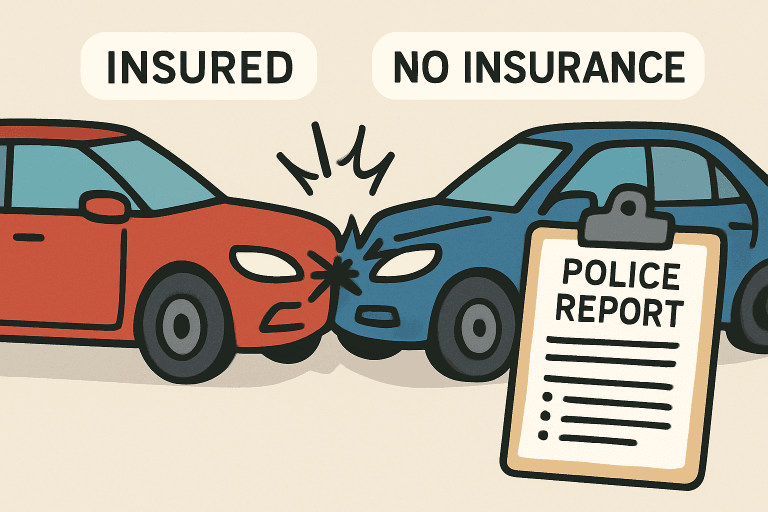
Immediately after a car accident, prioritize the safety and health of everyone involved. Move vehicles out of traffic if it is safe, check for injuries, and call emergency services as needed. The next step should always be to contact law enforcement so an official report can be filed. This documentation is crucial when insurance issues, such as an uninsured driver, arise.
- Contact the Police: Regardless of the accident’s size, always wait for the police to arrive and provide them with an honest account of what happened. The police report is an important document for insurance purposes and potential legal proceedings.
- Gather Evidence: Take photos of the scene from multiple angles, including both vehicles, any damage, and road conditions. Collect the other driver’s contact information, license plate number, and any available insurance details, even if they say they have none. Witness statements and their contact information can also be invaluable.
- Seek Medical Attention: Adrenaline may mask injuries immediately after a crash. Even seemingly minor symptoms should be checked out as soon as possible, as some injuries (such as whiplash or concussion) may only reveal themselves later.
Collision aftermaths involving uninsured motorists are complicated. It’s recommended to consult the National Association of Insurance Commissioners for additional insurance considerations and state-specific requirements.
Understanding Uninsured Motorist Coverage
Wisconsin law requires all drivers to carry uninsured motorist (UM) coverage, set at minimum limits of $25,000 per person and $50,000 per accident. This type of protection is specifically designed to step in when the at-fault driver is uninsured. UM coverage can pay for medical bills, lost wages, and related damages that would otherwise go uncompensated if the driver responsible for the crash has no insurance to claim against.
UM coverage can also help pay for pain and suffering, funeral expenses, and—in some policies—property damage. While these protections are a legal minimum, many policyholders opt for higher limits after considering the potentially high costs associated with severe accidents. For more details on what your UM policy specifically covers, reviewing your declarations page or consulting your insurance agent is crucial.
Filing a Claim with Your Insurance
If an uninsured driver hits you, you’ll need to file a UM claim with your own insurer. This process involves several key steps:
- Notify Your Insurance Company: Immediate notification is important. Report the accident, provide all documentation gathered at the scene (including the police report), and inform your insurer that the at-fault party is uninsured.
- Provide Documentation: Insurers will require supporting evidence, including medical records, repair shop estimates for vehicle damages, and any other receipts for expenses related to the crash.
- Cooperate Fully: Your claims adjuster is there to assess liability and damages. Respond quickly to requests for additional statements, interviews, or clarifications. Full cooperation can help expedite your claim and avoid unnecessary delays.
Keep careful records of all correspondence and document each step of the process. The process can sometimes take longer than a standard claim, particularly if your insurer needs to investigate further due to the lack of another insurance company to take responsibility.
Legal Recourse Against Uninsured Drivers
Depending on your situation, you might consider taking legal action against the uninsured driver. Filing a lawsuit can allow you to pursue damages directly; however, there are important considerations to consider. Most uninsured drivers are uninsured because they lack the financial resources to maintain coverage—meaning they may be unable to pay any judgment you win. Speaking to a personal injury attorney familiar with Milwaukee and Wisconsin car accident laws can help you determine the best course of action.
In some cases, pursuing a court judgment could allow you to garnish wages or place liens on property—but these processes can be lengthy and are not always cost-effective. Legal professionals can explain all available options and the likelihood of recovering compensation through the courts.
Preventive Measures for Future Incidents
Considering the number of uninsured drivers on the road, it’s wise to take steps to protect yourself ahead of time. Start by increasing your uninsured motorist coverage above the state minimums. Medical care, lost earning potential, and property damage costs can quickly exceed the minimum required limits.
- Review Insurance Policies: Schedule regular reviews of your insurance policy to ensure you are adequately covered. Your needs might change if you purchase a new vehicle, move, or add a teen driver to your policy.
- Stay Informed: Keeping up-to-date with Wisconsin traffic and insurance regulations can help you make informed decisions about your coverage and financial safety net.
Final Thoughts
Facing an uninsured driver in Milwaukee is an unfortunate risk, but it is not insurmountable. Understanding your insurance policy, taking proactive steps after an accident, and working with trusted professionals can make the difference in securing the compensation you deserve. Prioritize safety, thorough documentation, and sound legal guidance to navigate the aftermath of an uninsured motorist accident successfully.