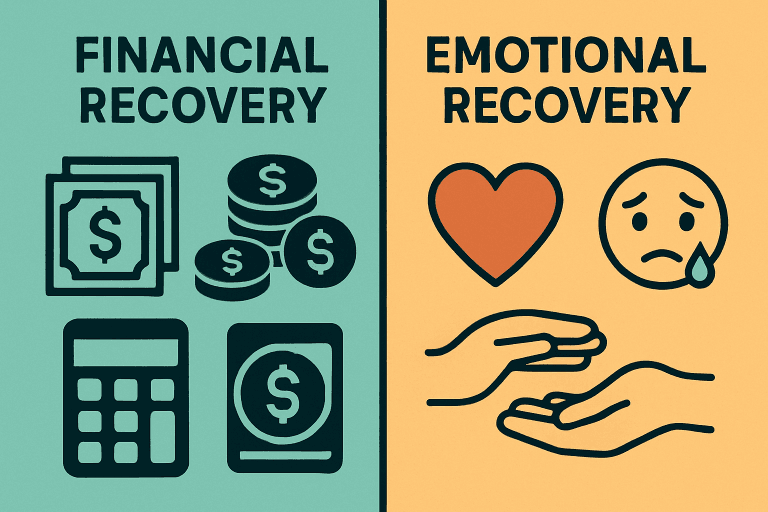
Personal injury claims often focus on compensation, but recovery is about much more than financial relief. Victims experience both visible and invisible harm, and understanding what can be recovered is essential to the healing process. R. Ariel Poltielov provides guidance for those navigating these challenging times, explaining the distinctions between emotional and financial impacts and how legal support can play a pivotal role. While monetary judgments are crucial for recovering from hospital bills and lost income, many overlook the significant emotional toll an accident or injury can take. Recovery in personal injury cases involves more than just reimbursement for costs; it addresses the full spectrum of injury, including pain that cannot be easily seen or quantified. Both elements must be recognized for complete justice and closure.
Understanding the Financial Impact
Financial losses are among the most apparent consequences following an injury. Medical expenses, both immediate and ongoing, can quickly become overwhelming. Victims may face hospital bills, costs of rehabilitation, surgery, medication, and future care needs. Additionally, lost income due to missed work days or an inability to return to previous employment can strain a family financially. Some cases also involve property damage, such as a wrecked vehicle or damaged belongings, adding another layer of financial hardship. Insurance companies and liable parties are expected to cover these tangible costs, but beneficiaries often encounter delays or denials that further complicate their situation. Keeping organized records, including receipts for prescriptions, travel to appointments, adaptive equipment, and any modifications made to a home or vehicle, is vital to achieving the highest possible compensation. Victims should consider future expenses as well, such as ongoing therapy, surgeries, or loss of future earning potential in the case of permanent or long-term disability. Proper financial planning and expert consultation can help to project these costs more accurately, ensuring settlements or awards reflect both current and future needs.
Understanding the Emotional Impact
The emotional effects of a traumatic event are often less visible but no less real. Victims may struggle with anxiety, depression, post-traumatic stress disorder (PTSD), and a diminished ability to enjoy life. Chronic pain and physical limitations can lead to feelings of isolation, frustration, or even sadness as daily routines and relationships are disrupted. Emotional distress might persist long after physical wounds heal, impacting overall well-being and quality of life. According to the American Psychological Association, trauma responses often manifest in complex, enduring psychological symptoms that can profoundly affect recovery.
Beyond the individual, loved ones can also experience emotional turmoil. Family dynamics may shift as caretaking responsibilities change or as children and spouses witness the effects on someone they care about. Participation in support groups or therapy sessions can help those affected feel seen and understood, while open communication about emotional struggles is critical in reducing stigma. Many victims find that the validation of having their emotional suffering recognized in court or through settlement is as important as financial compensation. The process of seeking justice can itself be emotionally taxing, which is why professional advocacy and emotional care are so often interconnected in achieving holistic recovery.
What Damages Can Be Recovered?
Personal injury claims allow victims to seek compensation for a range of losses. Economic damages are relatively straightforward and include medical expenses, rehabilitation costs, lost wages, and property damage. These damages are quantifiable and can be substantiated with receipts, bills, and employment records.
Non-economic damages, on the other hand, address the emotional and psychological effects of an injury. These include compensation for pain and suffering, emotional distress, loss of enjoyment of life, and loss of consortium or companionship. Though harder to quantify, these damages recognize the profound impact an injury can have on a person’s emotional health and relationships. Courts and insurers may consider factors such as the severity of injuries, the duration of recovery, and testimony from medical professionals and mental health experts when determining appropriate compensation. There are also rare instances in which punitive damages may be awarded, intended to punish egregiously negligent or reckless conduct and to deter future misconduct. While not commonly granted, these damages can be significant and are usually reserved for cases with clear evidence of willful wrongdoing. The availability and calculation of punitive damages depend heavily on the specifics of the local jurisdiction and the facts of the case.
The Importance of Legal and Emotional Support
Recovering from an accident involves more than just filing a claim. Legal professionals can help document the full scope of both financial and emotional damages, ensuring victims do not settle for less than they deserve. Attorneys often coordinate with medical experts, therapists, and financial advisors to present a comprehensive picture of harm, which can be critical to a successful claim.
Support networks, counseling, and therapy are equally important during recovery. Engaging in mental health care can help victims process trauma, develop coping strategies, and regain confidence in daily activities. A compassionate legal team understands these needs and can recommend additional community and professional resources to foster true healing.
Often, victims are unaware of the variety of resources available, including peer support groups, online counseling, and advocacy organizations that specialize in assisting individuals who have suffered personal injuries. Legal professionals can play a pivotal role in connecting clients with such resources, providing referrals to trusted professionals, and empowering clients to take an active role in their recovery process. Beyond legal and emotional support, maintaining a healthy lifestyle, through nutrition, exercise (where possible), and mindfulness practices, can accelerate both physical and emotional healing. It’s important for victims not to neglect their personal well-being as they navigate the complex claims process.
Conclusion
The road to recovery from a personal injury encompasses far more than merely restoring lost dollars. By recognizing the full emotional and financial impact, victims are better equipped to pursue what they are rightfully owed. Qualified legal representation and supportive care play vital roles in securing just compensation and guiding individuals toward genuine recovery and renewed well-being. In summary, acknowledging the comprehensive loss, both seen and unseen, is vital. Every case is unique, and those impacted by personal injury should seek a team that will fight for all they have endured. True healing is achieved not just through monetary compensation but through holistic support and validation, allowing victims and their families to move forward and rebuild their lives with confidence and dignity.