Introduction
The value of a home isn’t determined solely by its physical attributes. The neighborhood surrounding a property is critical in shaping its market price. Understanding these influential neighborhood features can help you maximize your investment and make informed real estate decisions, whether you’re planning to move or explore ways to sell your home. For homeowners and potential buyers alike, recognizing the importance of neighborhood characteristics is essential for success in today’s competitive market.
It goes beyond curb appeal or interior upgrades—the community, amenities, and neighborhood trends have tangible impacts on property values. Those looking to sell home should be particularly mindful of these factors, as they can be the deciding factor for buyers considering similar properties.
Quality of Local Schools
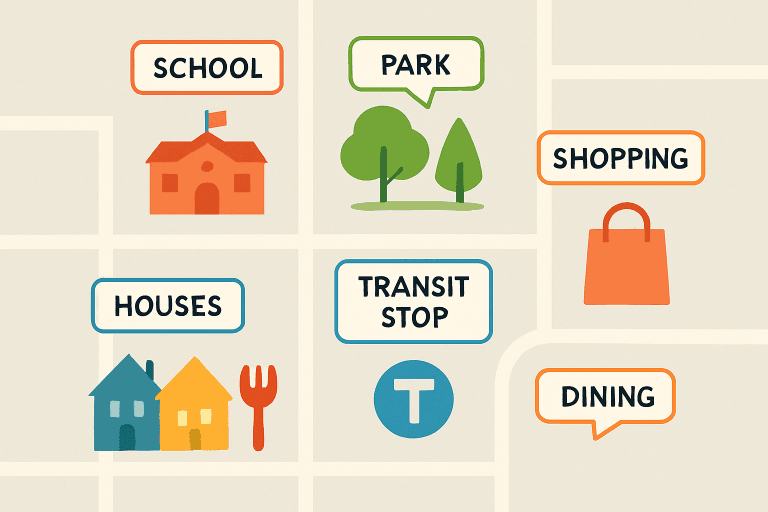
Access to reputable schools is one of the most influential drivers of home prices. Families, especially those with children or plans to start one, prioritize school district rankings when searching for their next home. Neighborhoods with top-rated schools consistently see greater demand and resilient property values, even during market downturns. This is because quality education is a long-term consideration that outweighs short-term economic cycles and appeals to buyers well into the future. Additionally, a desirable school zone can indicate a supportive and stable neighborhood, attracting a diverse pool of buyers.
Access to Parks and Green Spaces
Outdoor spaces, such as local parks, playgrounds, walking trails, and community gardens, offer residents more than just recreation. They improve the overall quality of life, promote wellness, and foster social connections within the community. Studies have shown that homes near well-maintained parks often command a premium, as many buyers are willing to pay a higher price for proximity to green spaces and the lifestyle benefits they bring. Green amenities increase immediate enjoyment and often help neighborhoods retain value over time.
Convenient Public Transportation
Proximity to public transport networks can positively impact home values, especially for those who prioritize convenience, cost savings, and sustainability. Neighborhoods within walking distance to bus stops, train stations, or major transit routes attract commuters and singles, couples, and seniors seeking efficient, car-free mobility. An accessible transit system can broaden a property’s appeal to a wider range of prospective buyers while reducing the impact of rising fuel costs.
Proximity to Shopping and Dining
Living close to retail outlets, grocery stores, restaurants, and entertainment venues creates a palpable sense of vibrancy and convenience. Homes within a 10-minute walk of popular shopping and dining hubs often stand out in real estate listings, drawing a premium due to lifestyle advantages. This dynamic environment appeals to young professionals, families, and empty nesters alike—all of whom value accessibility and the social atmosphere of a thriving neighborhood.
When looking for reliable house buyers who understand local amenities and can offer a fair price based on neighborhood trends, consider working with trusted professionals familiar with these influential factors.
Safety and Crime Rates
The safety of a neighborhood consistently ranks as one of the top concerns for homebuyers. Low crime rates build confidence in the local community and foster peace of mind. Municipal investment in lighting, police presence, and well-maintained public spaces can further reinforce a sense of security. As a result, properties located in safer neighborhoods with active neighborhood watches and high community involvement often appreciate faster and resist market volatility.
Future Development Plans
Ongoing and future infrastructure projects—including new roads, improved transit, or revitalized commercial districts—can create meaningful shifts in neighborhood desirability. While the prospect of new amenities can increase current home values, anticipated increases in noise, congestion, or changes in the landscape should also be weighed. Community boards and local planning agencies regularly publish development updates, which can help buyers and sellers anticipate property value shifts and make more strategic decisions.
Community Engagement and Events
An active neighborhood association and frequent community events—such as farmers’ markets, festivals, and volunteer opportunities—signal a strong sense of belonging. Properties in neighborhoods with robust community involvement tend to see greater value retention, as engaged residents are more likely to work together to solve problems, maintain their surroundings, and shape a welcoming atmosphere for newcomers. These intangible qualities foster trust and loyalty, motivating buyers to pay a premium for the added community benefits.
Final Thoughts
The right mix of neighborhood features fundamentally shapes residential property values. Buyers benefit from understanding how schools, green spaces, transit, amenities, safety, future growth, and community engagement can influence where they want to live. Sellers who recognize the multifaceted role of these neighborhood characteristics position themselves for greater success and smoother transactions. By focusing on immediate and long-term neighborhood trends, participants in the real estate market can confidently navigate their next moves.