Your home’s siding serves as a critical barrier against the elements, protecting the structure from rain, snow, wind, and moisture. While siding is designed to keep water out, damage, aging materials, or improper installation can allow moisture to seep behind the exterior. Unfortunately, water damage behind siding often goes unnoticed until it has already caused significant problems.
When moisture becomes trapped behind siding, it can lead to mold growth, wood rot, structural deterioration, and expensive repairs. Knowing the warning signs can help homeowners detect issues early and take action before the damage worsens. Understanding what to look for is essential for maintaining a safe, durable, and energy-efficient home.
Why Water Damage Behind Siding Is a Serious Problem
Water intrusion may seem minor at first, but it can quickly affect multiple parts of a home. Once moisture penetrates behind the siding, it can spread into wall cavities, insulation, framing materials, and even interior living spaces.
Potential consequences include:
- Rotting wood
- Mold and mildew growth
- Reduced insulation performance
- Structural weakening
- Higher energy bills
- Interior wall damage
- Pest infestations
Because many of these problems develop out of sight, regular inspections and awareness of warning signs are important for preventing costly repairs.
Visible Stains or Discoloration
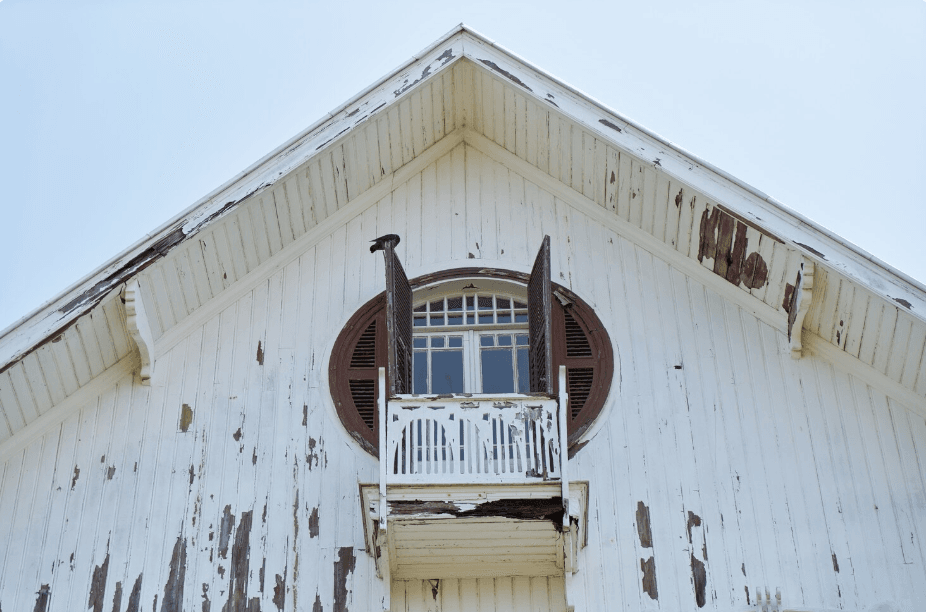
One of the earliest signs of water damage is discoloration on the siding itself. Moisture can leave behind stains, streaks, or dark patches that indicate water is not draining properly.
Look for:
- Brown or yellow staining
- Dark streaks beneath joints
- Watermarks near windows and doors
- Uneven discoloration
These marks often suggest that water is entering behind the siding or remaining trapped against the home’s exterior. While staining does not always indicate severe damage, it should be investigated promptly.
Warped or Buckling Siding
Siding should maintain a flat and uniform appearance. If you notice sections that appear warped, bowed, or buckled, moisture may be affecting the material underneath.
Water exposure can cause siding to:
- Expand
- Distort
- Pull away from the wall
- Lose structural stability
Warping often occurs when moisture becomes trapped behind the siding and has nowhere to escape. Ignoring these signs can lead to additional damage and compromise the effectiveness of the siding system.
Mold and Mildew Growth
Excess moisture creates the ideal environment for mold and mildew. While some mold can develop on exterior surfaces, persistent growth often indicates a deeper moisture problem.
Common signs include:
- Green, black, or gray discoloration
- Fuzzy growth on siding surfaces
- Musty odors near exterior walls
- Repeated mold reappearance after cleaning
Mold behind siding can spread quickly and may eventually affect indoor air quality. Early intervention helps prevent more extensive remediation efforts later.
Peeling Paint or Wallpaper Indoors
Water damage behind siding can eventually make its way into interior wall systems. When moisture penetrates deeply enough, homeowners may begin noticing problems inside the home.
Watch for:
- Peeling paint
- Bubbling paint surfaces
- Loose wallpaper
- Water stains on walls
- Discolored ceilings
These symptoms often indicate that moisture is traveling through the wall assembly. Although the damage may appear indoors, the source could be hidden behind exterior siding.
Increased Energy Bills
Damaged siding and hidden moisture can negatively impact a home’s energy efficiency. Wet insulation loses much of its effectiveness, making it harder to maintain comfortable indoor temperatures.
Signs of reduced efficiency may include:
- Rising heating costs
- Higher cooling expenses
- Drafty rooms
- Uneven indoor temperatures
When water compromises insulation performance, HVAC systems must work harder to compensate. If utility bills are increasing without explanation, moisture behind siding may be contributing to the problem.
Soft or Rotting Areas
Wood rot is one of the most serious consequences of prolonged moisture exposure. As water remains trapped behind siding, it can gradually deteriorate structural materials.
Homeowners may notice:
- Soft spots around windows
- Spongy exterior walls
- Crumbling wood trim
- Deteriorated framing components
Rot weakens the home’s structure and often requires extensive repairs if left untreated. Detecting and addressing moisture issues early can help prevent major reconstruction projects.
Gaps Around Windows and Doors
Water infiltration frequently occurs around windows, doors, and other exterior openings. Damaged flashing, deteriorated caulking, or improper installation can create pathways for moisture.
Warning signs include:
- Visible gaps
- Cracked sealant
- Water stains near openings
- Drafts around windows and doors
Because these areas are especially vulnerable to water intrusion, they should be inspected regularly as part of routine home maintenance.
Pest Activity
Moisture-damaged wood attracts a variety of pests, including termites, carpenter ants, and other insects. These pests are drawn to damp environments and can worsen structural damage over time.
Potential indicators include:
- Insect activity near siding
- Small holes in exterior walls
- Wood shavings
- Hollow-sounding wood
If pest problems develop alongside moisture issues, both concerns should be addressed immediately to prevent further deterioration.
Loose or Detached Siding Panels
When water damages the structure behind siding, fasteners and support materials may weaken. This can cause siding panels to loosen or pull away from the home.
Detached siding may indicate:
- Moisture-related deterioration
- Structural movement
- Improper installation
- Aging materials
Loose panels expose the home to additional water intrusion and should be repaired promptly to restore protection.
How Water Gets Behind Siding
Understanding common causes of water intrusion can help homeowners take preventative measures.
Frequent sources include:
- Damaged flashing
- Cracked caulking
- Storm damage
- Poor installation
- Aging siding materials
- Clogged gutters
- Improper drainage
Regular inspections and maintenance help identify these vulnerabilities before they cause extensive damage.
The Importance of Professional Inspections
Because water damage behind siding is often hidden, professional inspections are valuable for identifying issues that may not be visible from the surface.
Experienced contractors can assess:
- Moisture levels
- Structural integrity
- Insulation condition
- Flashing performance
- Siding installation quality
Specialized tools such as moisture meters and thermal imaging equipment can help detect hidden water problems without invasive demolition.
Preventing Water Damage Behind Siding
Preventative maintenance is one of the most effective ways to protect your home.
Recommended practices include:
- Inspect siding annually
- Repair damaged panels promptly
- Maintain gutters and downspouts
- Replace deteriorated caulking
- Address roof leaks quickly
- Schedule professional inspections
Proactive maintenance helps extend the lifespan of siding and reduces the risk of expensive repairs.
Conclusion
Water damage behind siding is a problem that should never be ignored. What starts as a small moisture issue can eventually lead to mold growth, structural deterioration, energy loss, and costly restoration work. Recognizing warning signs such as warping, discoloration, mold growth, peeling paint, and rising energy bills can help homeowners address problems before they escalate.
For homeowners concerned about the condition of their siding in Kirksville, MO, regular inspections and prompt repairs are essential for protecting both the home’s appearance and structural integrity. By staying alert to these warning signs and investing in preventative maintenance, homeowners can safeguard their property and avoid costly surprises in the future.