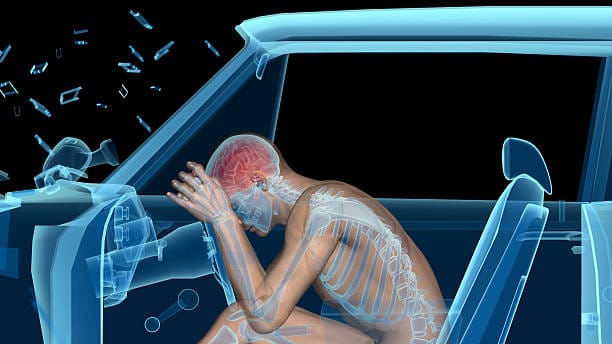
When a person suffers a blow to the head during a crash, immediate and thorough diagnosis is critical to prevent long-term complications. Identifying a brain injury can be complex, as symptoms might not be obvious right away. Whether you are seeking answers for yourself or a loved one, understanding the steps doctors take to diagnose these injuries ensures you get informed, timely care. If legal issues arise, such as the need for compensation, a Casselberry spinal injury lawyer can help guide you through the process and protect your rights. Brain injuries vary from mild concussions to severe traumatic brain injury (TBI), and each level demands medical expertise for proper evaluation. Not only are these injuries physically debilitating, but they also bring emotional and financial stress to victims and their families.
The Initial Assessment: What Happens First?
On-the-Scene Evaluation
First responders at the crash site play a vital role in the initial diagnosis process. They assess the victim’s level of consciousness using simple questions and commands, look for signs of confusion, and check for pupils that are unequal or unresponsive to light. The Glasgow Coma Scale (GCS) helps quickly assess a person’s ability to open their eyes, respond verbally, and move their limbs in response to stimuli. This is a crucial first step in determining the severity of injury and the urgency of medical care.
Emergency Room Procedures
Upon arrival in the emergency room, healthcare providers continue to monitor vital signs and neurological status. They ask about the event, check for visible injuries, and observe for any changes in behavior, coordination, or speech. It’s not uncommon for symptoms to be delayed, so medical staff keep patients under careful watch for several hours or even days.
Imaging Tests: Looking Inside the Brain
CT Scans
Computed tomography (CT) scans are the most common initial imaging tool for people who have suffered a traumatic injury. CT scans provide quick, detailed images of the brain, highlighting bleeding, bruises, swelling, or skull fractures. Physicians use CT scans to identify injuries that may require surgery or acute intervention, as they are reliable and available in most emergency facilities.
MRI Scans
Magnetic Resonance Imaging (MRI) offers highly detailed pictures of the brain’s soft tissues. While MRIs take longer and are not always used in emergency settings, they are especially helpful for detecting subtle changes in the brain, such as small lesions or damage that may not be visible on a CT scan. MRIs may be performed days or weeks after the initial injury if symptoms persist or worsen.
Neurological Exams and Observation
A comprehensive neurological examination is essential. Doctors conduct regular checks for responsiveness, memory function, pupil size, limb movement, and coordination. Repeated exams help track changes and detect secondary injuries or complications that may not have been apparent at first. Monitoring continues during the hospital stay and, in some cases, after the patient returns home.
Additional Diagnostic Tools
Electroencephalography (EEG) may be used if seizures are suspected or if the patient remains unconscious for an extended period. Blood tests are sometimes performed to rule out other causes of symptoms, check for infection, or determine pre-existing conditions. In pediatric cases, extra care is taken due to the subtle signs and the increased vulnerability of developing brains. More information on pediatric brain injury diagnosis can be found through resources like the CDC’s Traumatic Brain Injury Center.
Recognizing Delayed Symptoms
Symptoms of brain injury don’t always appear immediately after a crash. Headaches, sleep issues, mood changes, difficulty concentrating, and memory lapses might develop hours or even days later. Family members and friends are often the first to notice behavioral shifts, underscoring the importance of ongoing observation after discharge.
When Legal Guidance Is Needed
Brain injury victims and their families can face overwhelming hospital bills, insurance disputes, and work absences. Legal support from an attorney fluent in personal injury and crash-related injuries makes a difference in navigating these challenges and recovering just compensation. Experienced lawyers can coordinate with medical experts to ensure proper documentation and claim preparation.
Conclusion
Brain injuries after a crash require immediate and persistent attention to minimize long-term effects. Through rapid assessment, advanced imaging, and careful monitoring, healthcare teams can diagnose and treat these injuries more effectively. Ongoing vigilance is crucial, as symptoms can evolve and fresh complications may arise. Recovering from a brain injury is rarely straightforward, but early diagnosis improves the chance of regaining health, function, and peace of mind.