
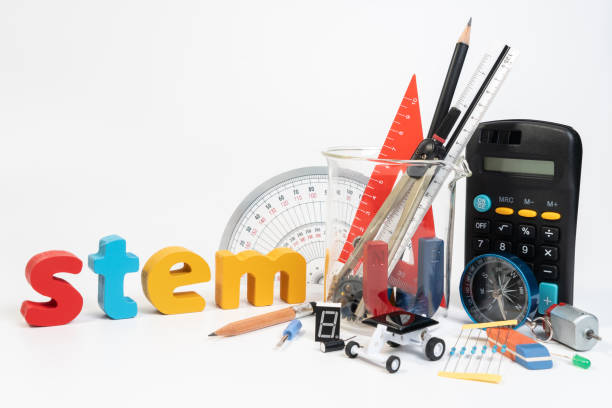
Delicate learning materials and equipment should be well taken care of during school holidays so that they do not break, get lost, or deteriorate. Storing and maintaining them in good condition keep them in the same state and also ready for use once the next term begins. Without proper care, important materials like books, electronic equipment, and specialist equipment will wither away or become unusable.
A discussion on the risks the materials encounter between terms, the optimum storage and packaging methods, the best ways to keep materials for easy accessibility, and the efficient management of digital and physical tools follows in this article. The measures facilitate the protection of costly learning materials by educators and institutions, the reduction of the cost of replacements, and the perpetuation of education success.
Common Risks Between Terms
Throughout school breaks, sensitive teaching equipment and materials face numerous hazards that affect usability. Exposure to dust, humidity, and temperature gets its share on books, papers, and electronic equipment. Inadequate storage leads to physical damage such as tears on pages or shattered screens. Lost or misplaced materials during breaks take time to be recovered once lessons start. The lack of an orderly storage system also makes it difficult to access sources timely, resulting in frustration among educators and students. Pest infestations also endanger paper-reliant materials and textile materials. The identification of such risks underscores the need for adopting suitable storage and handling practices during break. Preventative measures keep teaching equipment in a good condition ready for use during the subsequent academic period.
Best Storage Practices
To effectively protect learning tools, choosing the right storage solutions is essential. A reliable option is using secure, climate-controlled storage spaces that guard against environmental damage. Services like NSA Storage – smarter way to store – provide flexible, safe options tailored to educational needs. These facilities offer clean, monitored environments that maintain optimal temperature and humidity levels.
Popular storage solutions include:
- Stackable plastic bins with airtight lids for organizing small items
- Shelving units with adjustable heights for bulkier materials
- Padded cases or sleeves for protecting electronic devices
By implementing these storage strategies, schools and educators reduce damage risk and keep materials well-organized. This makes the return to school smoother and helps extend the lifespan of valuable learning tools. Proper storage balances protection with easy access, ensuring resources remain both safe and ready for use.
Protecting Learning Tools FAQ
Many educators and parents ask how to best protect delicate learning tools between school terms. Here are clear answers to common questions.
What is the safest way to store books and papers during breaks?
Use airtight containers or sealed plastic bins to protect from moisture, dust, and pests.
How should electronic devices be stored between terms?
Store devices in padded cases or sleeves in climate-controlled areas to prevent damage from temperature changes and humidity.
Can I use regular boxes for storing learning materials?
Regular boxes can work but may not protect against moisture or pests. Using specialized storage bins is better for long-term care.
How often should stored materials be checked?
Check stored items at least once per term break to ensure no damage or deterioration has occurred.
Following these simple guidelines helps keep learning materials safe and ready for use when school resumes.
Quick Tips for Organizing Learning Materials
Organizing delicate learning tools effectively saves time and protects resources. Try these tips:
- Label all storage containers clearly
- Separate materials by type or subject
- Use dividers or smaller boxes inside larger bins
- Keep digital and physical tools stored separately
- Store in a dry, cool place to avoid damage
- Maintain an inventory list for easy tracking
These steps help maintain order and extend the life of learning materials between terms.
Case Study on Protecting Learning Tools
A nearby elementary school had consistently struggled retaining access to sensitive learning materials during summer breaks. Books became ruined due to moisture, and electronic tablets became lost or ruined. To alleviate this, the school acquired climate-controlled storage units and an intensive labeling and tracking system. Employees underwent training on the correct method of packing and frequent checks during the break.
80% fewer reports of damaged materials once storage procedures have been upgraded
The results were dramatic. The school saw a significant decrease in lost items and books being damaged. Teachers retrieved materials soon after the commencement of the new term and time was saved. The tablets performed well and lasted longer and cost less to replace. An easier transition from the past terms and less frustration in general was also experienced by the staff.
This scenario illustrates the benefit of pairing the right storage environment with organization systems for schools. Not only do valuable learning equipment stay protected, but higher-quality teaching and learning occur. Investment in the correct storage and care methods is cost-effective and increases the quality of schooling.
Final Advice for Protecting Learning Tools
Storing sensitive learning equipment and materials between terms serves to conserve and keep them for long. Utilize clever storage, clear maintenance and labelling on a schedule to preserve your resources. Start today and have your learning equipment in top shape and ready for all school terms.